10 Questions You Should Always Ask a Dog Breeder Before Buying
The questions you ask a breeder before buying tell you as much about them as their answers do. Here are the 10 most important ones.
Choosing a breeder is one of the most important decisions in the puppy buying process — arguably more important than choosing the breed itself. A great breeder produces healthy, well-socialised puppies and supports you long after the purchase. A poor one cuts corners on health testing, prioritises profit over welfare, and disappears once payment has cleared.
The problem is that most buyers do not know what to ask, or feel awkward asking probing questions. Here is the truth: a good breeder expects and welcomes these questions. If a breeder becomes defensive or evasive, that tells you everything you need to know.
Here are the 10 questions you should ask every breeder before committing to a puppy.
1. Are you registered with a recognised breeding body?
Reputable breeders in Australia are registered with ANKC, MDBA, or a state equivalent such as Dogs NSW, Dogs Victoria, or Dogs Queensland. Registration does not guarantee quality but it does indicate a baseline commitment to breed standards and ethical practices. Ask for their membership number and verify it independently.
2. What health tests have been done on the parent dogs?
This is the most important health question you can ask. Reputable breeders health test their breeding dogs for conditions known to affect the breed and they have documentation to prove it. Ask for certificates, not verbal assurances. If a breeder says the dogs are healthy but cannot produce documentation, that is a red flag.
3. Can I meet the mother?
Meeting the mother of the litter tells you more about the puppies' likely temperament than anything else. Temperament is significantly heritable — a calm, friendly, well-socialised mother is a strong predictor of calm, friendly, well-socialised puppies. If a breeder refuses to let you meet the mother, be cautious.
4. Where are the puppies raised?
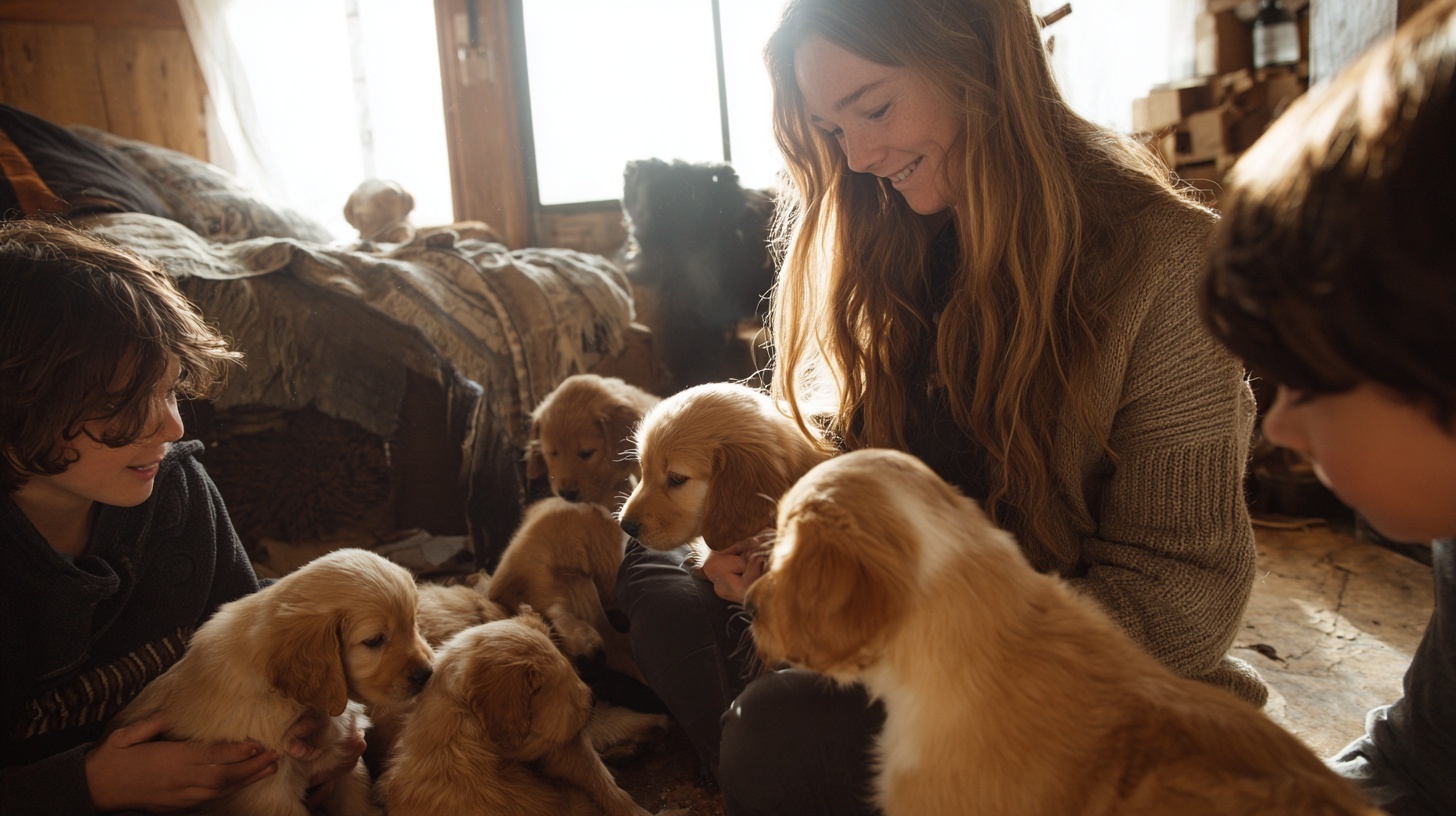
Puppies should be raised in a home environment — not in an outdoor kennel, a shed, or a commercial facility. Home-raised puppies are exposed to normal household sounds, smells, and activity from birth, which significantly shapes their confidence and adaptability as adults.
5. What socialisation have the puppies received?
The critical socialisation window for puppies is roughly 3 to 12 weeks of age. Good breeders actively expose puppies to:
- Different people including children
- Different sounds — vacuum cleaners, traffic, music
- Different surfaces and environments
- Being handled — ears, paws, mouth examined
- Other animals where appropriate
6. How many litters do you produce per year?
A responsible hobby breeder typically produces one to three litters per year. More than this raises questions about whether the welfare of individual dogs is being prioritised or whether breeding has become a commercial operation.
7. What is your process for selecting homes?
A breeder who cares about their puppies asks you questions. They want to know about your lifestyle, your experience, your household, and your plans for training and care. If a breeder will sell a puppy to anyone who can pay without any questions, that tells you something about their priorities.
8. What happens if I cannot keep the puppy?
Responsible breeders have a return policy — they want their puppies back rather than rehomed through third parties or surrendered to shelters. Ask this question directly. The answer — and the breeder's reaction to it — tells you a great deal.
9. What does the puppy come with?
At a minimum, a responsibly bred puppy should come with:
- First vaccination
- Microchip
- Veterinary health check
- Worming treatment to date
- Documentation of health tests on parents
- Registration papers for purebred dogs
10. Can I visit the puppies before the time comes to take one home?
A breeder who allows and encourages visits before pickup is comfortable with transparency. Be respectful of the breeder's timing guidance — very young puppies should not be excessively handled for biosecurity reasons. But a willingness to have you visit at appropriate times is a positive sign.
What the answers tell you
The purpose of these questions is not just to gather information. It is to assess the breeder's values, knowledge, and commitment to the welfare of their dogs. A breeder who answers confidently, with documentation where relevant, who asks you questions in return, and who clearly cares about where their puppies go is a breeder worth working with.