The Best Dog Breeds for Apartment Living in Australia
Apartment living does not rule out dog ownership — but it does rule out certain breeds. Here are the dogs that genuinely thrive in smaller spaces.
One of the most common questions we hear from apartment dwellers is whether they can realistically own a dog. The answer is yes — but with one important condition: the breed has to be right.
The idea that all dogs need a large backyard is a myth. Many breeds are genuinely well-suited to apartment living and thrive with the right daily routine. Others, regardless of how much you want them, will be miserable in a confined space — and make your life miserable in the process.
Here is what you actually need to know.
What makes a breed apartment-suitable
It is not just about size — though size matters. The key factors that make a breed genuinely apartment-suitable are:
- Low to moderate exercise needs. A dog that needs two hours of running daily will not be happy in an apartment, regardless of how committed you are. Look for breeds whose exercise requirements can be met with daily walks rather than sustained vigorous activity.
- Low separation anxiety risk. Apartment dogs are often home alone during work hours. Breeds prone to severe separation anxiety will bark, destroy property, and stress continuously when alone. This affects your neighbours as much as you.
- Low tendency to bark excessively. Barking in an apartment complex is a real problem. Some breeds are naturally quiet. Others vocalise frequently.
- Adaptability. The best apartment dogs are adaptable — they are comfortable with smaller spaces, elevator rides, street noise, and the general stimulation of urban living.
Breeds that genuinely suit apartment living
Cavalier King Charles Spaniel One of the best apartment breeds available. Cavaliers are calm, affectionate, and have modest exercise needs — daily walks are sufficient. They love being near their people and adapt easily to apartment routines. Their main health consideration is Mitral Valve Disease, which makes breeder selection critical.
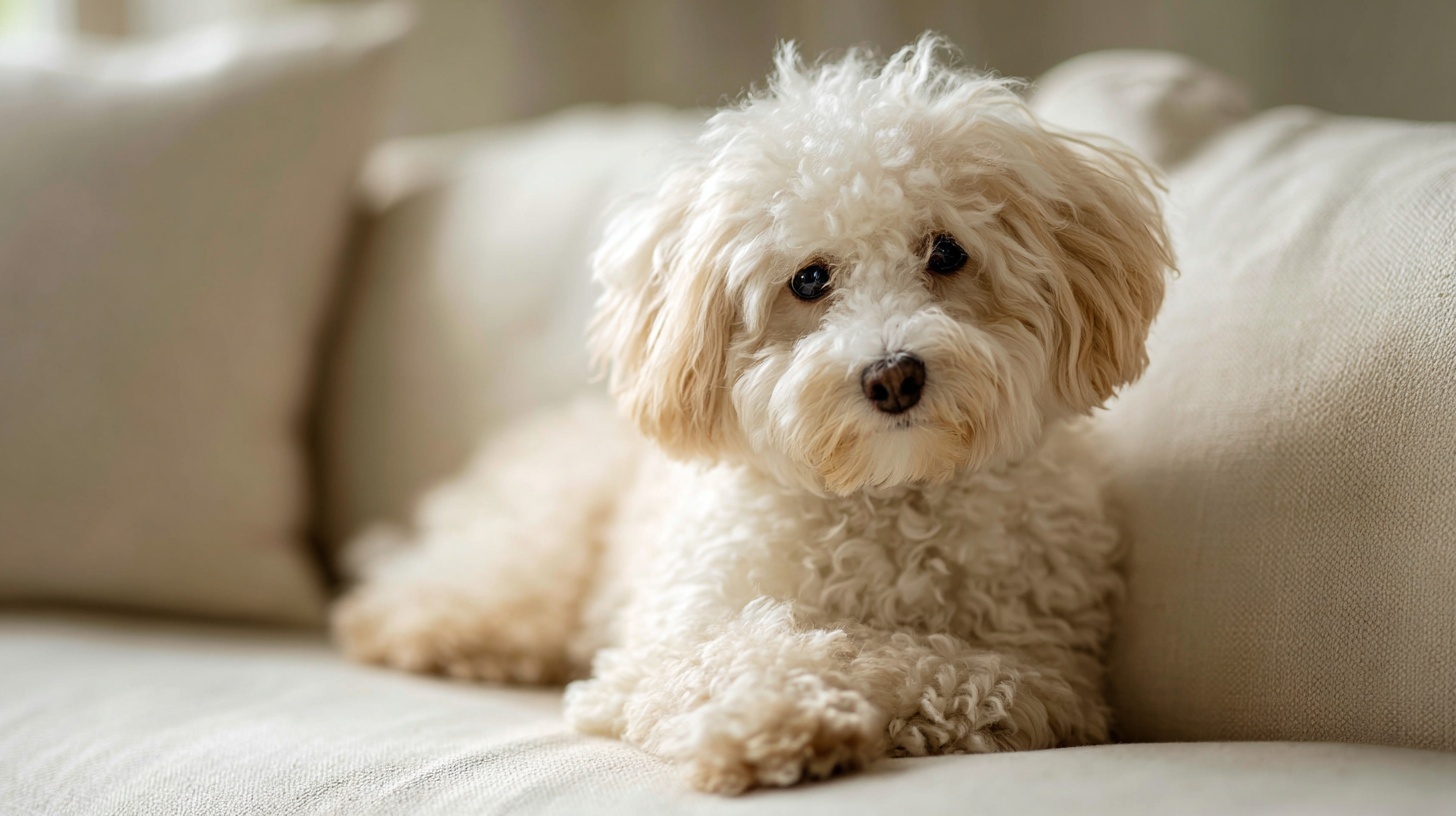
Maltese Small, low-shedding, and genuinely content in smaller spaces. Maltese are affectionate companion dogs that do not need significant physical exercise. They can be prone to separation anxiety so gradual independence training from puppyhood is important.
French Bulldog Well-suited to apartments in terms of size and exercise needs — they are not built for sustained physical activity. Their brachycephalic features mean air conditioning is important in Australian summers. Health costs can be significant — budget accordingly.
Cavoodle One of Australia's most popular breeds for good reason. The Cavoodle combines the Cavalier's calm temperament with the Poodle's low-shedding coat and trainability. They adapt well to apartment living with adequate daily exercise. Like most Poodle crosses, they need gradual training to handle time alone.
Shih Tzu Bred as a companion dog for centuries — they are genuinely content indoors and do not need significant exercise. Calm, affectionate, and adaptable to smaller spaces. Grooming requirements are high.
Poodle (Toy or Miniature) Intelligent, low-shedding, and adaptable. Poodles are more active than some other apartment breeds but their exercise needs can be met with daily walks and mental stimulation through training. They are highly trainable and generally do well in urban environments.
Greyhound Counterintuitive but genuinely excellent apartment dogs. Despite their size, Greyhounds are calm, low-energy indoors and require only moderate daily exercise. They are quiet, gentle, and adapt well to apartment living. Consider adopting a retired racing Greyhound.
Bichon Frise Cheerful, low-shedding, and well-suited to smaller homes. Bichons are social and adaptable with moderate exercise needs that can be met with daily walks.
Moodle (Maltese x Poodle) One of the most apartment-friendly crossbreeds. Small, low-shedding, intelligent, and affectionate. Their modest exercise needs suit urban living well.
Pug Calm and affectionate with low exercise needs — physically suited to apartment living. Brachycephalic health issues are significant and air conditioning is essential. Not suitable for hot climates without climate control.
Breeds to avoid in apartments
These breeds are often desired by apartment dwellers but are genuinely not suited to the environment:
- Border Collie — Extreme exercise and mental stimulation needs. Will become destructive and anxious without significant daily activity.
- Siberian Husky — High energy, strong escape drive, and vocalisation that will affect neighbours.
- Labrador Retriever — Needs significant daily exercise and space to move. Under-exercised Labs become boisterous and destructive indoors.
- German Shepherd — High intelligence and drive requiring significant exercise and mental stimulation.
- Jack Russell Terrier — High energy and tenacious personality. Despite small size, needs significant daily activity.
- Dalmatian — Extremely high endurance and exercise requirements.
- Australian Shepherd — Working breed with extreme mental and physical needs.
The daily routine matters as much as the breed
Even apartment-suitable breeds need a consistent daily routine. At minimum: a morning walk before you leave for work, mental stimulation during the day if home alone for long periods, and an evening walk when you return.
Consider doggy daycare or a dog walker for days when you will be away for extended periods. The cost is worth it for the dog's wellbeing and your relationship with your neighbours.
One more thing: check your lease
Before committing to a dog, check your tenancy agreement and body corporate rules. Many buildings have breed or size restrictions. Some prohibit dogs entirely. Confirm this before you fall in love with a puppy.