The Best Family Dogs for Households with Young Children
Being good with kids means more than being gentle. Here are the breeds that genuinely thrive alongside young children in Australian family homes.
"Good with kids" is one of the most overused descriptions in the dog world. Almost every breed is described this way somewhere. In practice, the difference between breeds that genuinely excel with young children and those that merely tolerate them is significant.
This matters more than most buyers appreciate before bringing a puppy into a household with children. The wrong breed in the wrong family situation can lead to stress for the dog, stress for the family, and in serious cases, safety risks.
What "good with children" actually means
A dog that is genuinely good with young children has several characteristics:
- High tolerance for unpredictable movement and noise. Young children are loud, fast-moving, and unpredictable. A breed that is genuinely good with children is not startled or threatened by this.
- Gentle mouth. Even in play, some breeds mouth and nip more than others. Breeds with gentle mouths are significantly safer around young children.
- Low prey drive. High prey drive can be triggered by the fast, erratic movement of young children. Breeds with low to moderate prey drive are safer in family environments.
- Patient temperament. Patient breeds will disengage from an overwhelming interaction rather than escalate.
Breeds that genuinely excel with young children
Labrador Retriever Consistently one of the best family dogs available. Labs are patient, gentle-mouthed, and genuinely love children. Their high energy can mean they accidentally knock smaller children over — supervision during play is important — but their temperament is exceptional.
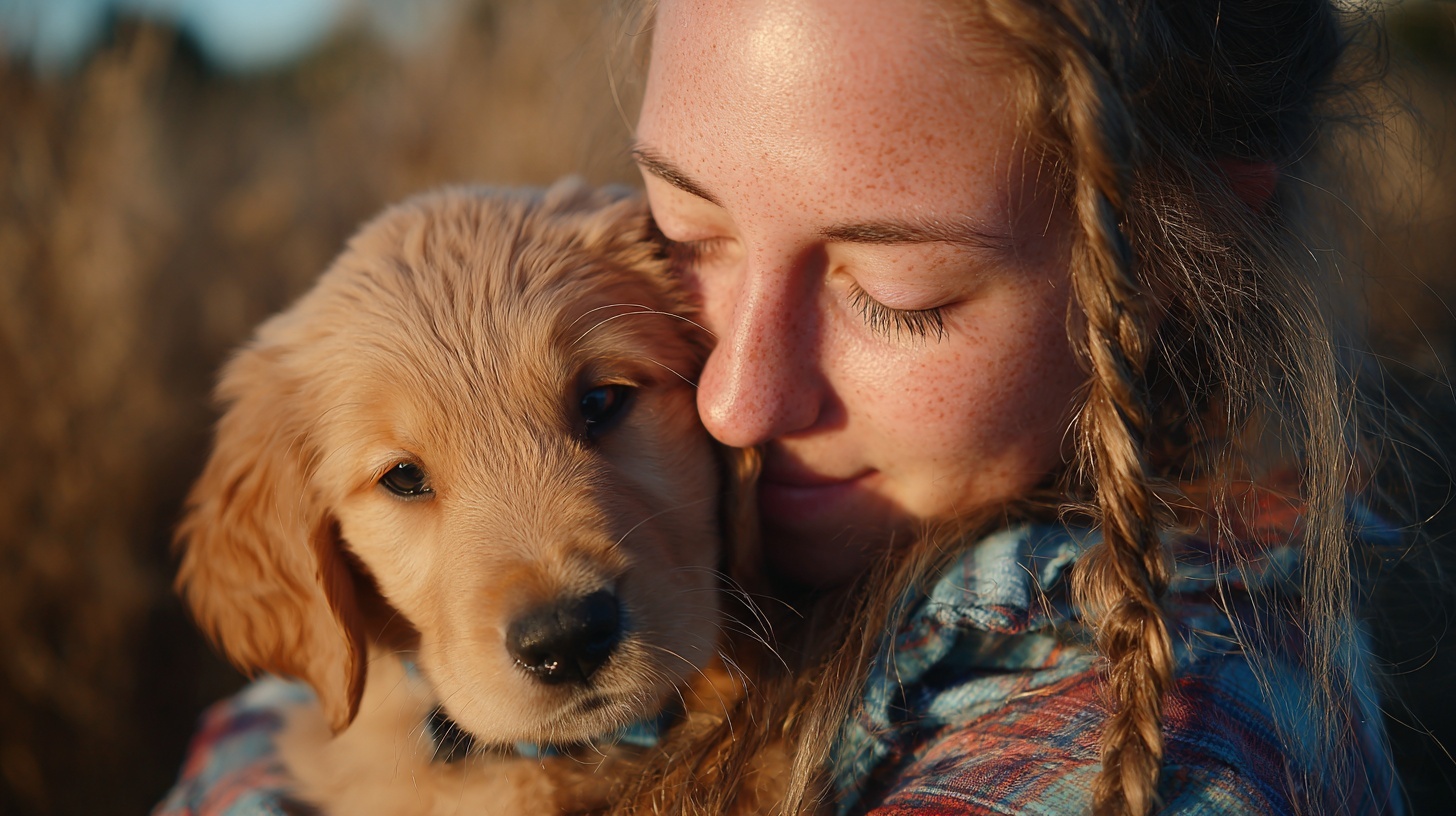
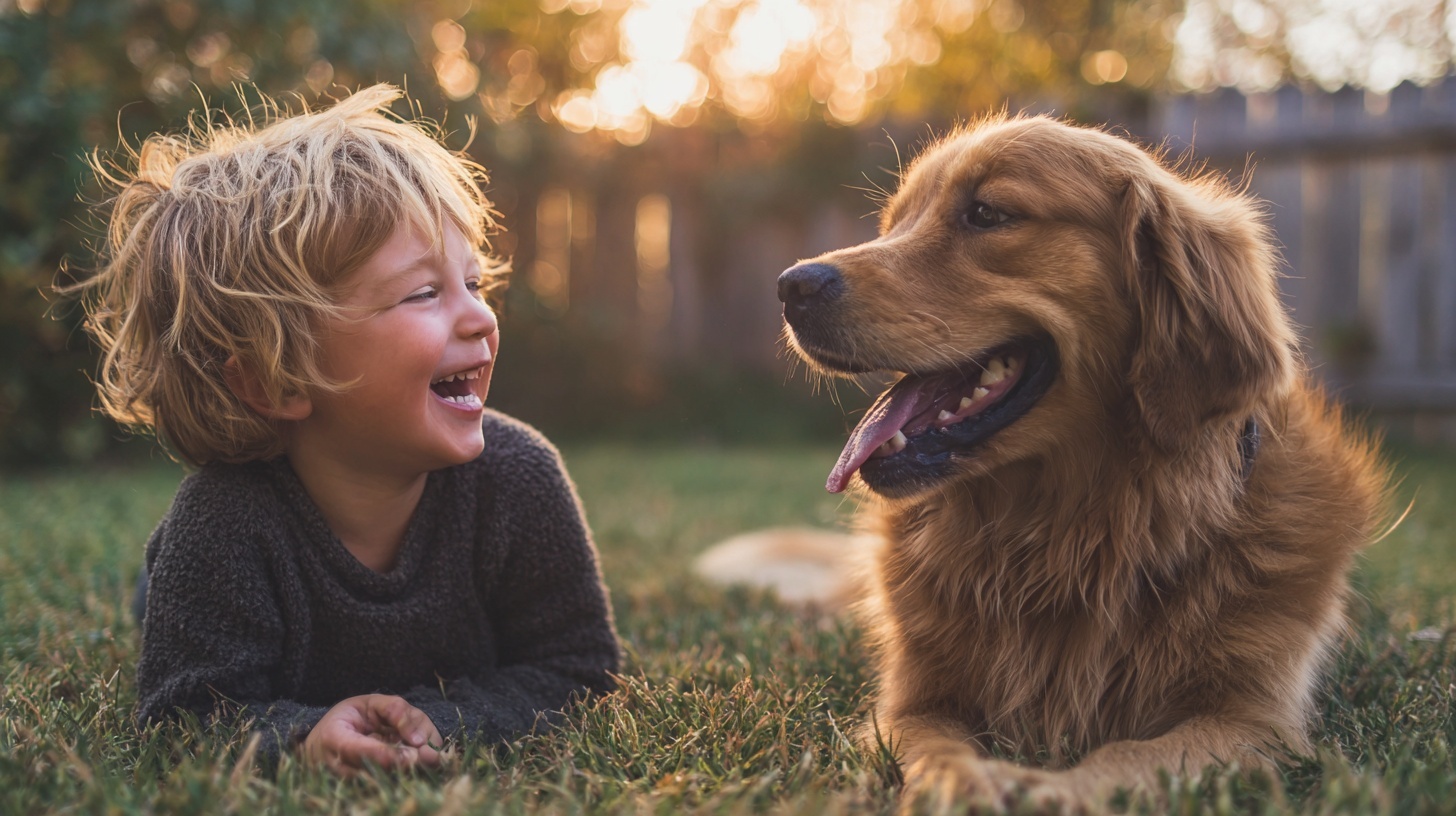
Golden Retriever Similar to the Labrador and equally exceptional with children. Goldens are perhaps even more emotionally intuitive — they read children's moods and adjust their behaviour accordingly. Their patience is remarkable.
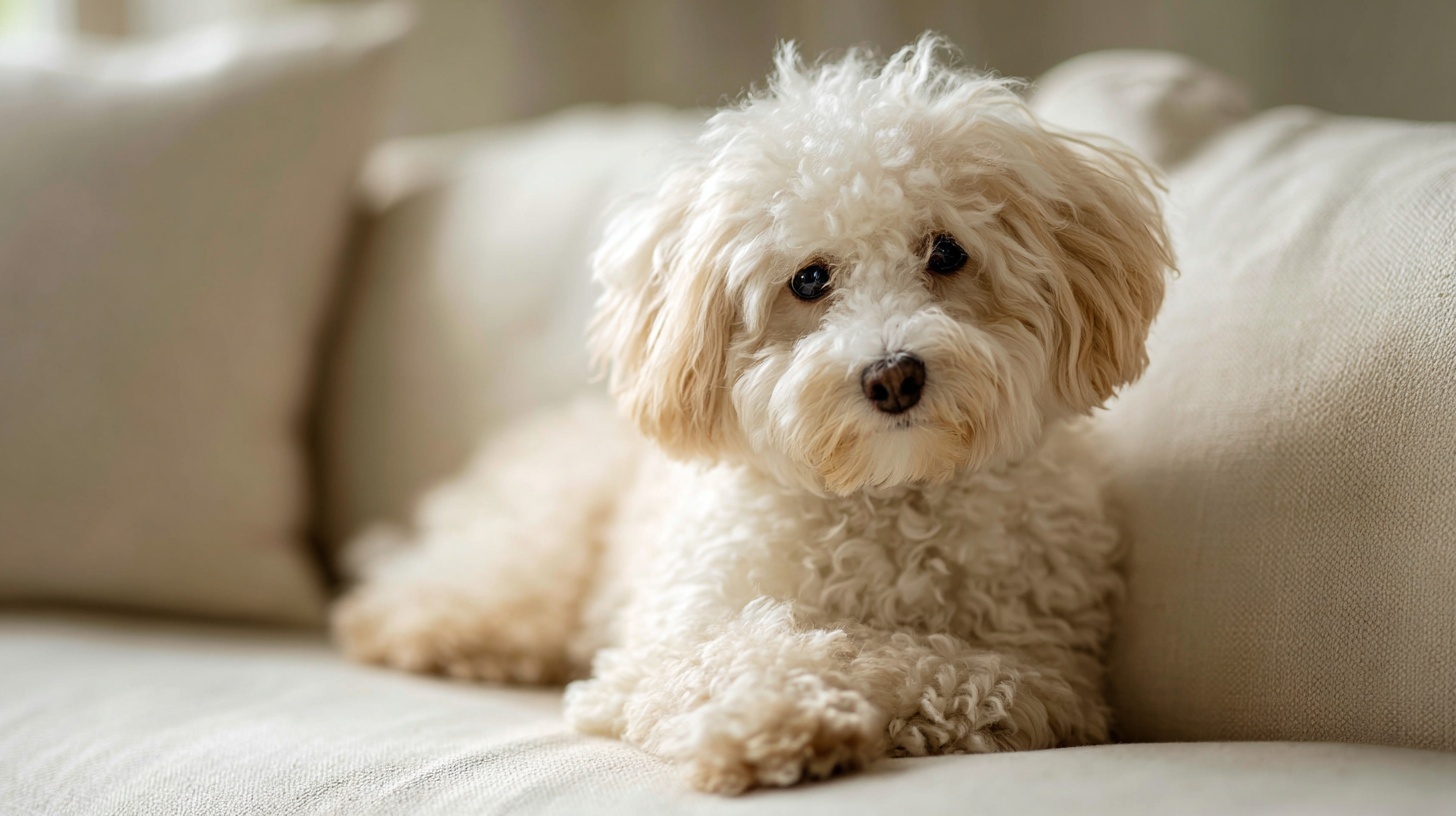
Cavoodle Excellent with children of all ages. The Cavoodle's gentle Cavalier temperament combined with Poodle trainability produces a dog that is patient, playful, and responsive. Their moderate size means less risk of accidentally knocking children over.
Beagle A classic family dog — sturdy, friendly, and genuinely fond of children. Beagles are pack animals by nature and slot well into family life. A secure yard is essential given their strong nose and scent drive.
Staffordshire Bull Terrier One of the most misrepresented breeds in Australia. Well-bred, well-socialised Staffies are exceptionally gentle and patient with children they know. Their reputation comes from irresponsible ownership, not from the breed's actual temperament with families.
Boxer Playful, loyal, and genuinely devoted to their family's children. Boxers maintain a puppy-like playfulness well into adulthood. Their size means supervision with very young children is important, but their temperament is exceptional.
Groodle Combines the Golden's warmth with the Poodle's trainability. Patient, social, and adaptable. Excellent family dogs for active households.
Cavalier King Charles Spaniel Gentle, calm, and exceptionally patient. One of the best breeds for households with young children in terms of temperament. Health considerations make breeder selection critical.
Important considerations for families
Supervision is non-negotiable regardless of breed. No dog — regardless of how gentle the breed — should be left unsupervised with young children. This is a universal rule.
Teach children how to interact with dogs. Children should be taught from the earliest age to approach dogs calmly, to avoid the face and tail, to not disturb a sleeping dog, and to respect a dog's space when it disengages.
Consider age of children alongside breed. A very large bouncy puppy in a household with a toddler requires significant management. Match the breed's size, energy, and temperament to the specific ages of your children.
Early socialisation is critical. Even the most naturally child-friendly breed should be deliberately exposed to children of different ages from puppyhood.
Breeds to approach carefully with very young children
- Border Collie — Herding instinct can manifest as nipping at young children's heels.
- Jack Russell Terrier — High energy and can be nippy. Better suited to families with older children.
- Chihuahua — Fragile and can snap when handled roughly.
- Chow Chow — Aloof and can be intolerant of unpredictable young children.