Low-Shedding and Hypoallergenic Dog Breeds for Australian Families
No dog is truly hypoallergenic — but some breeds shed significantly less and produce fewer allergens. Here is what you actually need to know.
The term hypoallergenic gets used a lot in the dog world — and it gets misused almost as often.
No dog is truly hypoallergenic. All dogs produce some level of allergens, primarily through their saliva, skin cells, and urine — not just their fur. What varies between breeds is the amount of dander they produce and how much they shed, which affects how much allergen circulates in the environment.
For allergy sufferers and people who simply want to avoid constant dog hair on every surface, understanding which breeds genuinely shed less is essential before making a decision.
What actually causes dog allergies
The most common dog allergen is a protein called Can f 1, produced primarily in dog saliva and skin. When dogs shed fur, they distribute this protein throughout the environment. Breeds that shed less distribute less allergen — which is why low-shedding breeds are generally better tolerated by people with mild to moderate dog allergies.
Severe allergies require a different conversation with an allergist before committing to any dog.
Genuinely low-shedding breeds
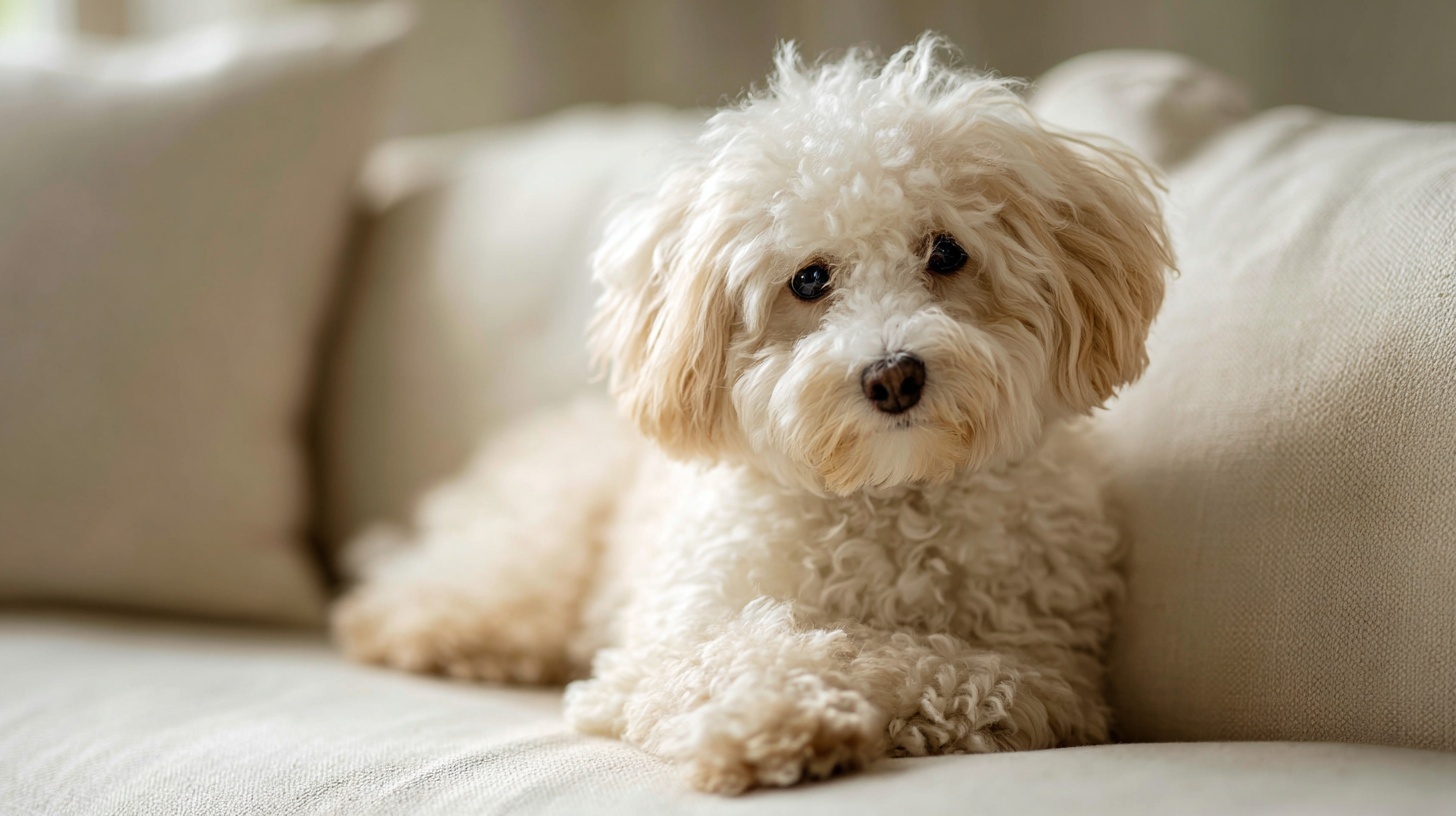
Poodle (Standard, Miniature, or Toy) The gold standard for low-shedding. Poodles have a single-layer curly coat that grows continuously rather than shedding. They require professional grooming every 6–8 weeks but produce minimal loose hair. Available in three sizes to suit different living situations.
Maltese One of the lowest-shedding breeds available. The coat grows long and silky but sheds minimally. Daily brushing and regular grooming are required but loose hair is not a significant issue.
Bichon Frise Similar to the Poodle in coat type — a curly, continuously growing coat that sheds minimally. Cheerful, adaptable, and well-suited to family life.
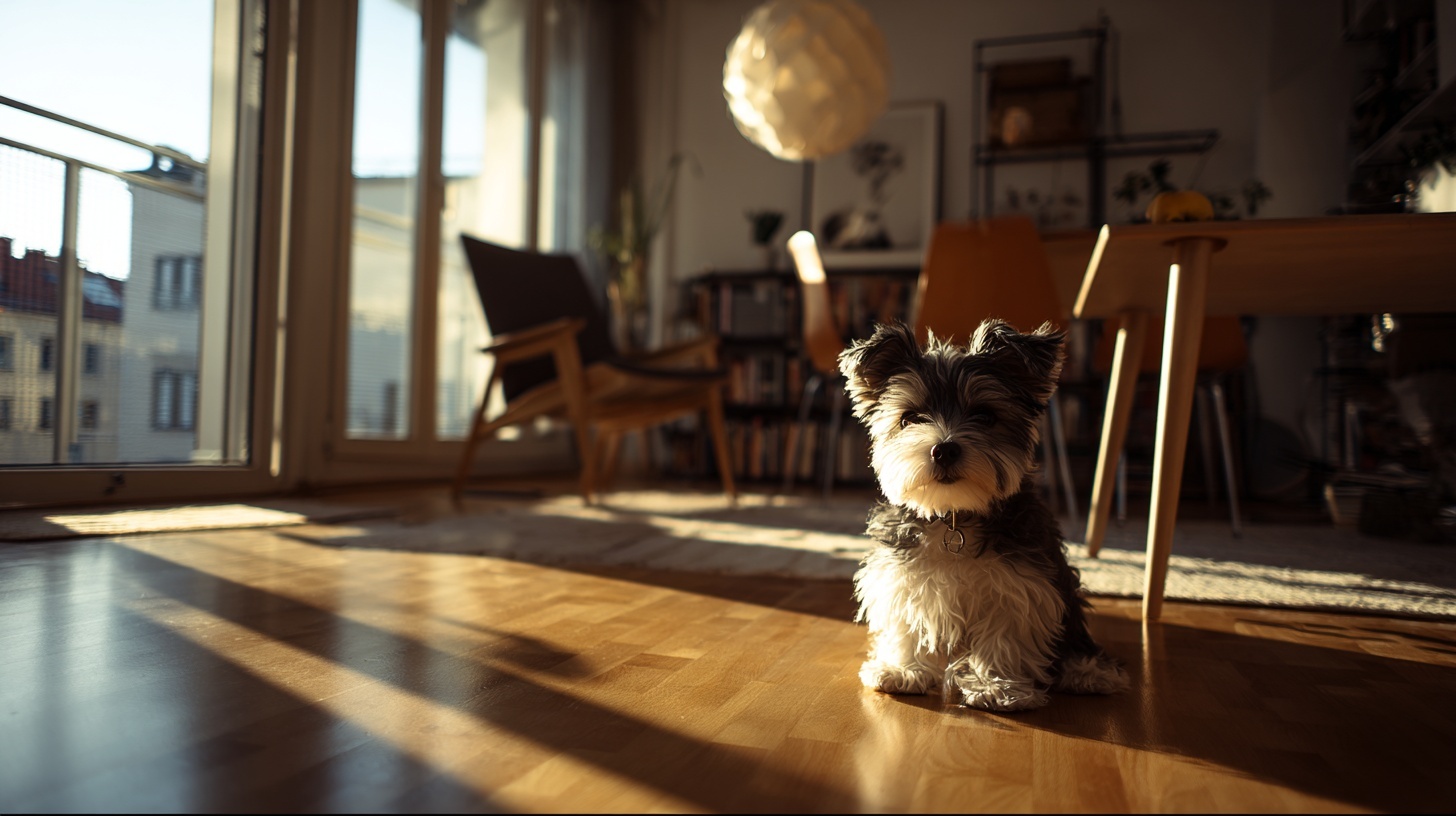
Schnauzer (Miniature) A wiry double coat that sheds very little. Requires professional grooming every 8–12 weeks.
Shih Tzu Despite the long flowing coat, Shih Tzus shed minimally. Their coat grows continuously and requires significant grooming but loose hair is not a major issue.
Soft Coated Wheaten Terrier A medium-sized breed with a soft, wavy coat that sheds minimally. More active than some low-shedding options.
Low-shedding crossbreeds
The most popular low-shedding crossbreeds in Australia are all Poodle crosses. The Poodle's coat genetics are dominant enough to significantly reduce shedding in many first and second generation crosses.
- Cavoodle (Cavalier x Poodle) — One of Australia's most popular breeds. F1b Cavoodles are more consistently low-shedding than F1.
- Groodle (Golden Retriever x Poodle) — Lower shedding than a Golden Retriever, particularly in F1b lines.
- Labradoodle (Labrador x Poodle) — Variable in F1, more consistent in Australian Labradoodle and F1b lines.
- Spoodle (Cocker Spaniel x Poodle) — Generally low-shedding with a wavy coat.
- Moodle (Maltese x Poodle) — Very low shedding, small size, well-suited to apartments.
- Poochon (Poodle x Bichon Frise) — One of the most consistently low-shedding crossbreeds. Both parent breeds shed minimally.
An important note on crossbreed coat variability
F1 crossbreeds can vary significantly in coat type and shedding level between puppies in the same litter. If low-shedding is a non-negotiable requirement, ask your breeder specifically about coat consistency in their lines and look at adult photos of previous litters. F1b crossbreeds are significantly more consistent in producing low-shedding coats.
Grooming costs are the trade-off
Low-shedding breeds and crosses almost universally require professional grooming every 6–8 weeks. Budget $80–$150 per grooming session depending on breed, size, and location. For a small breed groomed every 8 weeks, that is approximately $500–$1,000 per year in grooming costs.
Breeds with heavy shedding to be aware of
- Siberian Husky — extreme year-round shedding
- Labrador Retriever — heavy year-round shedding
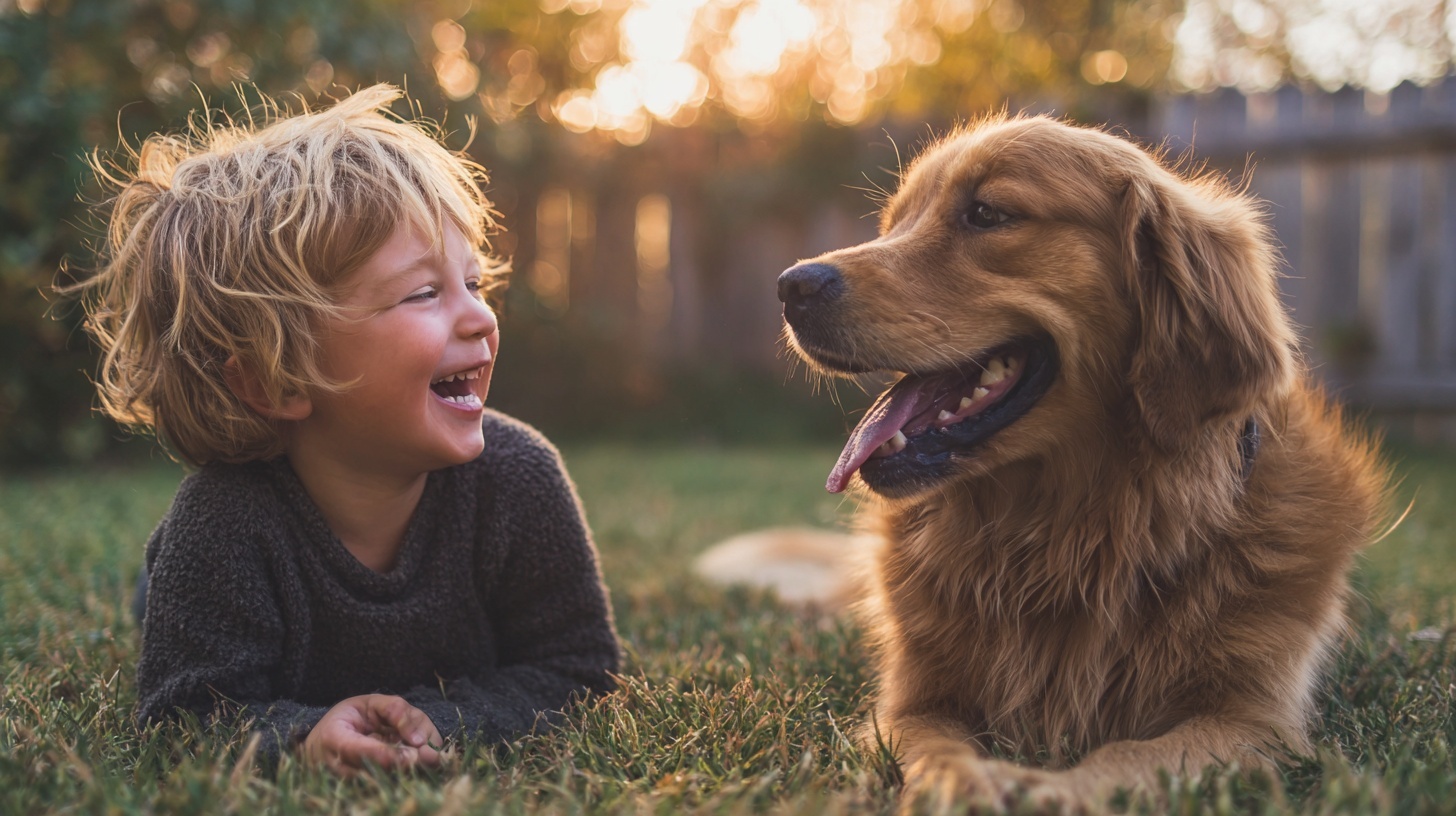
- Golden Retriever — heavy year-round shedding
- German Shepherd — heavy shedding with seasonal variation
- Alaskan Malamute — extreme shedding
- Chow Chow — heavy shedding